100 Families Initiative – Ingham County Alliance
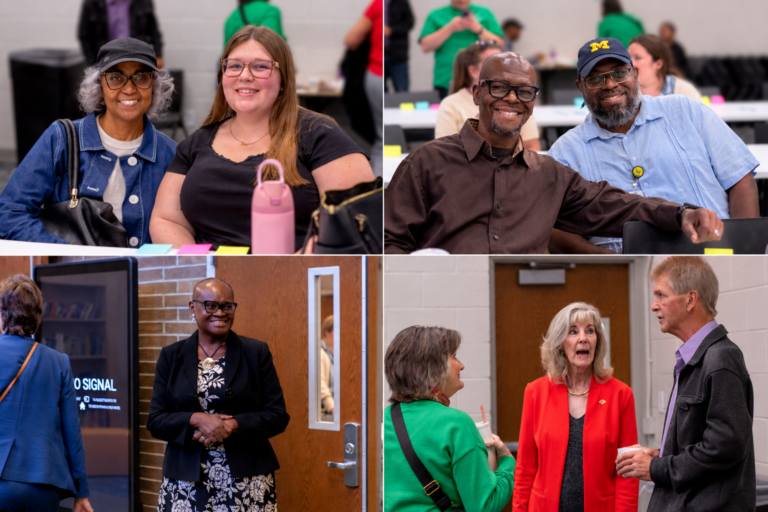
At our recent Alliance Meeting, we explored a topic that affects nearly every family we serve: trauma.
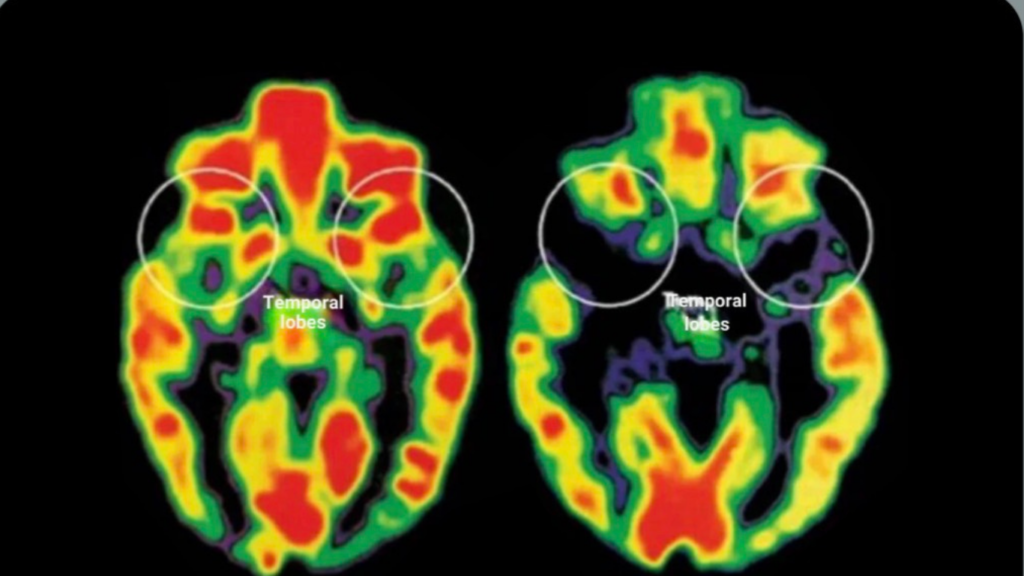
One of the most powerful moments of the discussion was examining brain images that demonstrated how trauma can physically affect brain development and function. Trauma is not simply an emotional experience. Research shows that chronic stress, abuse, neglect, violence, domestic violence, incarceration, and other adverse experiences can alter the way the brain processes emotions, relationships, decision-making, and safety.
When a person experiences significant trauma, the brain often becomes wired for survival. Instead of feeling safe, the individual may remain in a constant state of alertness, always looking for danger. This can affect behavior, emotional regulation, trust, memory, and the ability to make decisions. What may appear to be resistance, anger, avoidance, or poor choices is often a survival response rather than a character flaw.
This understanding challenges us to change the questions we ask. Rather than asking, “What is wrong with you?” we can begin asking, “What happened to you?” That shift moves us from judgment to compassion and allows us to better understand the people we serve.
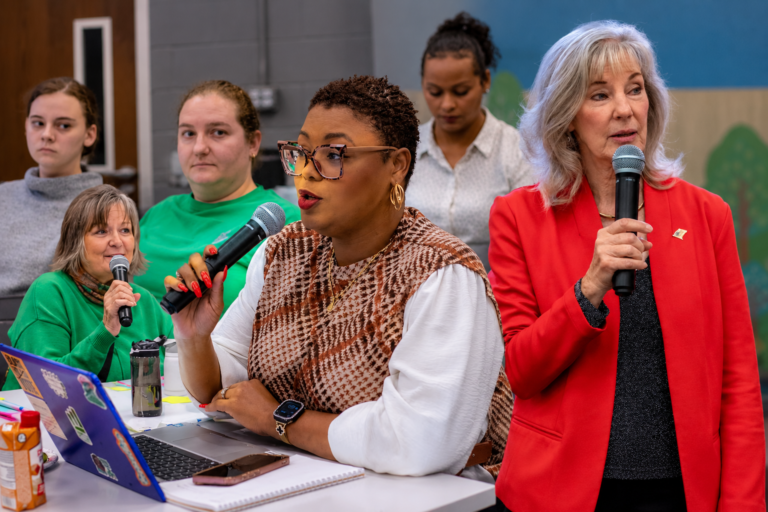
Our panelists shared examples from their work in mental health, criminal justice, domestic violence advocacy, and community support. A common theme emerged: untreated trauma often creates cycles that affect families for generations. Trauma can contribute to housing instability, unemployment, incarceration, family conflict, mental health challenges, and difficulty accessing services.
Yet the conversation was also filled with hope.
Healing is possible.
The brain has the ability to form new pathways through safe relationships, therapy, supportive communities, structure, faith, and consistent care. Trauma may shape a person’s journey, but it does not have to determine their future.
One panelist shared a powerful statement:
“Trauma is chaos, but healing happens through understanding, structure, and safe relationships.”
Another reminded us that people begin to heal when they feel valued, heard, and believed. Sometimes the most important intervention we can provide is simply creating a safe space where someone can tell their story without fear of judgment.
For agencies participating in the 100 Families Initiative, this conversation reinforces the importance of trauma-informed care. Every interaction is an opportunity to build trust, restore dignity, and help families move from survival to stability.
As we continue our work together, let us remember that healing does not happen through one program or one organization. It happens when a community comes together around a family and says, “You are not alone. We will walk with you.”
Continuing the Conversation
The discussion on trauma is far from over. Because of the overwhelming engagement and thoughtful dialogue at our May Alliance Meeting, we will continue this important conversation at our next Alliance Meeting on Thursday, June 25, 2026.
Our focus will be:
“Healing from Trauma: What Works and What Doesn’t Work.”
Together, we will explore practical approaches to healing, hear from professionals and community leaders, discuss evidence-based strategies, and examine the role that agencies, churches, families, and communities play in the recovery process. We will also address common misconceptions about trauma and healing and learn how we can better support individuals and families on their journey toward stability.
Whether you work in housing, education, healthcare, mental health, faith communities, law enforcement, or social services, this conversation will provide valuable insights to strengthen your work and deepen our collective impact.
We hope you will join us as we continue learning how to create communities where healing can flourish and families can thrive.
Thank you for your partnership in helping families move from crisis to stability.
Together, we are building a stronger, healthier, and more hopeful community.
Dr. Eleanore Kue
Coordinator, 100 Families Initiative – Ingham County Alliance
Founder, United Against Poverty