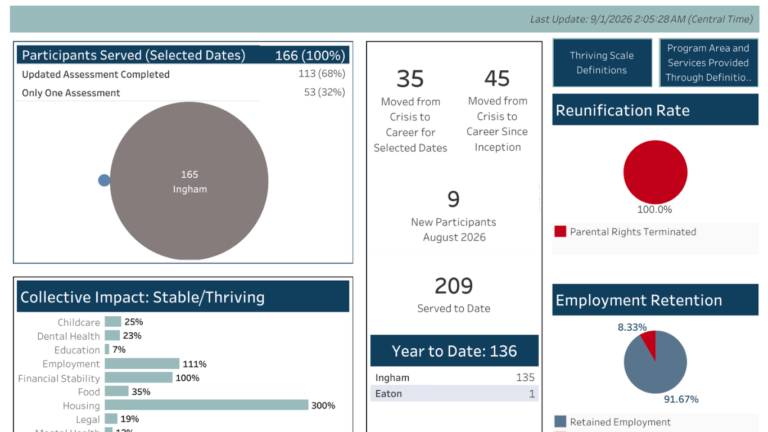
In a world increasingly dominated by individualistic pursuits, the need for community-driven economic models is more urgent than ever. These models emphasize collective success and resource sharing, revealing a path towards sustainable wealth that benefits everyone.
The Power of Community
At the heart of community-driven economic models lies the concept that true wealth is built not just through personal gain, but through collaboration and mutual support. Communities that come together can leverage their collective resources, knowledge, and skills to create economic opportunities that benefit all members.
Examples of Community-Driven Economic Models
Several successful initiatives around the world illustrate the potential of community-driven economic models:
- Cooperatives: These member-owned businesses allow individuals to pool their resources and share in the profits, keeping wealth within the community.
- Local Currencies: Initiatives like local currencies encourage spending within the community, fostering an economy where money circulates among local businesses.
- Community Supported Agriculture (CSA): Farmers sell shares of their harvest to community members, creating a direct link between consumers and producers while ensuring that farmers receive upfront capital.
Benefits of Community Economic Models
Community-driven economic models present numerous advantages, including:
- Resilience: Communities that work together can more easily adapt to economic downturns and other challenges.
- Social Cohesion: These models foster stronger social bonds and a sense of belonging among community members.
- Equitable Wealth Distribution: By sharing resources and profits, wealth is more evenly distributed, reducing economic inequality.
Challenges and Considerations
While the potential benefits of community-driven economic models are significant, they do come with challenges:
- Establishing trust and cooperation among members is essential for success.
- Communities may need guidance in management and decision-making processes.
- Access to capital and resources can be limited, hindering growth opportunities.
Conclusion
Building wealth together is a promising path towards sustainable economic development. By fostering community-driven economic models, we can create a more equitable society where everyone has the opportunity to thrive. As we harness the collective power of our communities, we move closer to a future where wealth is not just measured in financial terms but in shared well-being and mutual support.
It’s time to rethink our economic strategies and embrace the idea that together, we can build a stronger, more inclusive economy for all.