Message Highlight: Redesigning the System Together
Dear Partners,
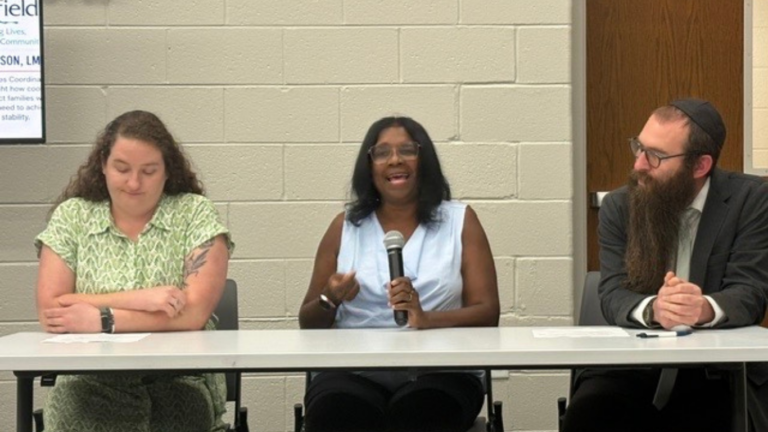
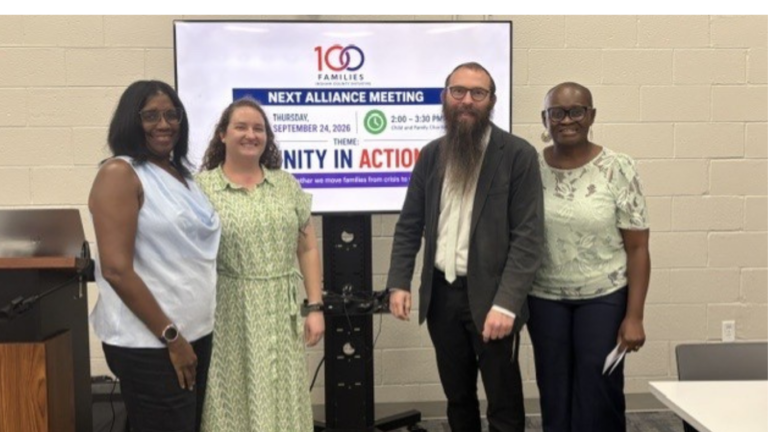
At our recent gathering, I had the opportunity to share a message that is central to the work we are all doing together: understanding and redesigning the system.
Too often, when families remain in crisis, we assume something is broken. But I challenged us to look at this differently. A system is simply a group of people, organizations, and processes working together to produce an outcome. If families in our community are struggling despite the many services available, then we must ask an honest question: What outcome is our current system designed to produce?
One of the key statements I shared was this:
“The system is not broken—it is producing exactly what it was designed to produce.”
This shifts the conversation. It moves us from frustration to responsibility. It reminds us that meaningful change will not come from working harder within the same structure, but from working differently—together.
One of the greatest challenges we face is fragmentation. The families we serve are not dealing with just one issue. On average, they are navigating multiple, intersecting challenges at the same time. When services operate in silos, even strong programs can fall short. Families may receive help in one area while continuing to struggle in others.
This is why coordinated care is essential.
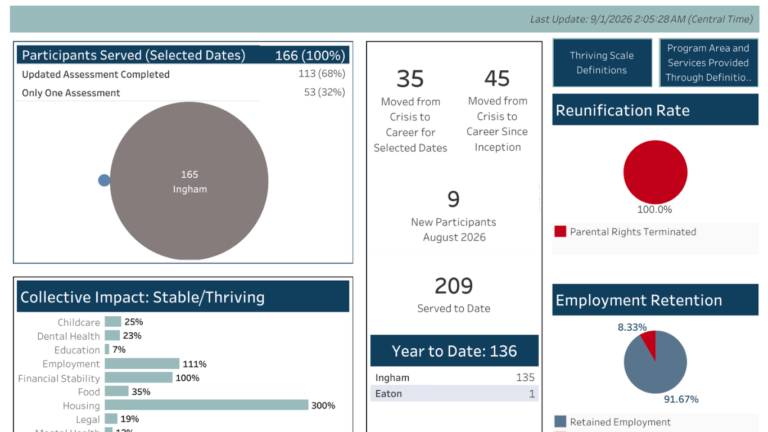
Through the 100 Families Initiative, we are beginning to see what a redesigned system can look like—one where agencies, churches, and community partners are aligned, communicating, and working toward shared outcomes. This approach reduces duplication, strengthens connections, and allows us to address the full picture of a family’s needs.
This work has also deepened our understanding of trauma. Behind many of the challenges we see, there is pain—often unseen and unaddressed. Recognizing this calls us to lead not only with expertise, but with compassion, humility, and intentionality.
As we move forward, I leave you with this:
We are the system.
Each of us plays a role in shaping the outcomes we see in our community. The question is not whether change is needed—we all see that. The question is: what is our role in redesigning the system to better serve families?
Thank you for your continued partnership and commitment to this work.