Poverty is entrenched in various social, economic, and political fabrics, requiring multifaceted strategies for resolution. While traditional charitable efforts provide immediate relief to those in need, nonprofits have a broader, more strategic role in fostering long-term solutions to poverty. This article explores how nonprofits can effectively contribute to sustainable poverty alleviation.
Understanding the Complexity of Poverty
Poverty is not merely the absence of financial resources; it is a complex interplay of factors including education, healthcare, social inclusion, and empowerment. Nonprofits operate within this intricate landscape, often working to address multiple dimensions simultaneously.
The Shift from Relief to Development
Traditionally, many nonprofit organizations focused primarily on the provision of food, shelter, and immediate assistance. However, there is a growing recognition of the need to shift towards development-oriented approaches. This transition involves:
- Empowerment of communities through education and training programs.
- Advocacy and policy change to address systemic barriers contributing to poverty.
- Sustainable economic development through microfinance and job creation.
Strategic Partnerships for Greater Impact
To amplify their impact, nonprofits often collaborate with governments, private sector organizations, and other stakeholders. These strategic partnerships can lead to:
- Shared resources and knowledge.
- Innovative solutions that leverage each partner’s strengths.
- A collective voice in advocating for social change.
Measuring Impact: The Role of Data and Evaluation
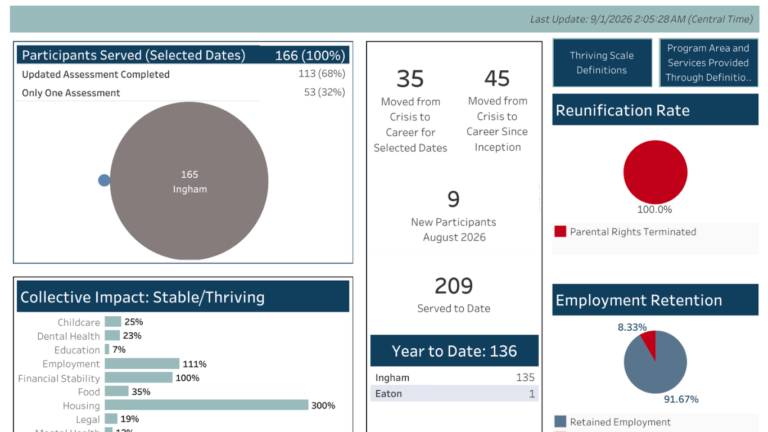
Tracking outcomes and understanding the effectiveness of different approaches is crucial for long-term poverty alleviation. Nonprofits are increasingly adopting data-driven methodologies to:
- Evaluate the success of programs.
- Delineate best practices for replication and scaling.
- Engage stakeholders by demonstrating measurable impact.
Advocating for Policy Change
Nonprofits play a pivotal role in shaping policies that affect poverty. By engaging in advocacy, they can:
- Influence legislation that addresses the root causes of poverty.
- Bring awareness to marginalized populations and their needs.
- Promote social justice and inclusion.
Conclusion: A Path Forward
The fight against poverty requires a shift from short-term charity to long-term strategic action. Nonprofits have the potential to lead the charge in creating systemic changes that provide lasting solutions for impoverished communities. By embracing comprehensive strategies, fostering collaborations, and advocating for change, they can transform not only individual lives but also the societal structures that perpetuate poverty.