Poverty remains one of the most pressing challenges of our time, affecting millions globally. While governments and corporations play vital roles in economic development, it is often the nonprofit sector that champions the cause of the disadvantaged and marginalized. United for Change illustrates how nonprofits, when united in purpose, can wield significant influence in the fight against poverty.
The Role of Nonprofits in Society
Nonprofit organizations are uniquely positioned to address poverty because they are driven by a mission rather than profit. They operate in various sectors, including education, healthcare, housing, and food security. By providing essential services and advocating for policy changes, nonprofits create pathways for individuals and communities to overcome poverty.
The Power of Collaboration
A collective approach amplifies the impact of individual nonprofits. By pooling resources, sharing knowledge, and coordinating strategies, organizations can address complex social issues more efficiently. Initiatives like the Community Action Partnership and the United Way exemplify how collaboration can lead to significant improvements in the lives of those in need.
Case Studies of Impact
Several nonprofits have made notable strides in reducing poverty:
- Feeding America: This organization works with a network of food banks to provide meals to millions of Americans facing hunger.
- Teach for America: By addressing educational inequity, this program enables low-income students to receive quality education, breaking the cycle of poverty.
- Habitat for Humanity: Through community-led home-building projects, this nonprofit empowers families to achieve sustainable housing solutions.
Advocacy and Policy Change
Nonprofits also play a crucial role in advocacy, pushing for systemic changes that address the root causes of poverty. By mobilizing community members and leveraging data, these organizations influence legislation and public policy aimed at providing safety nets like minimum wage increases, affordable healthcare, and equitable education reforms.
Engaging the Community
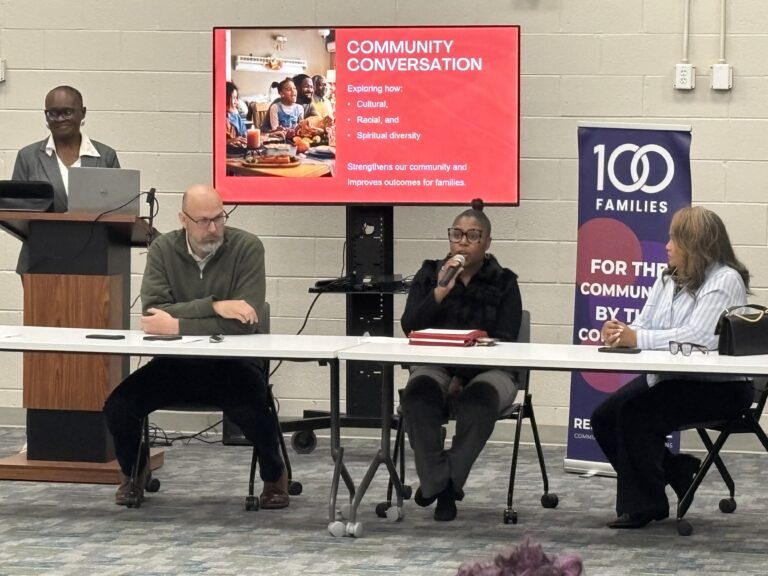
Community involvement is a cornerstone of effective poverty alleviation strategies. Nonprofits engage local populations in various ways, from volunteer opportunities to educational workshops that empower individuals with the skills and knowledge needed for self-sufficiency. This sense of ownership is critical in fostering resilience and sustainable change.
Looking Ahead: The Future of Nonprofits in Poverty Alleviation
The challenges in fighting poverty are constantly evolving, necessitating innovation and adaptability within the nonprofit sector. Embracing technology, data analytics, and social media can enhance outreach and improve impact measurements. As we move forward, the collaboration among nonprofits, government entities, and private sectors will be vital in creating a cohesive strategy to eradicate poverty.
Conclusion
United for Change is more than a slogan; it is a call to action. The collective power of nonprofits in the fight against poverty demonstrates that, together, we can create lasting change. By uniting our efforts, we not only enhance our individual impact but also cultivate a more equitable society where every individual has the opportunity to thrive.