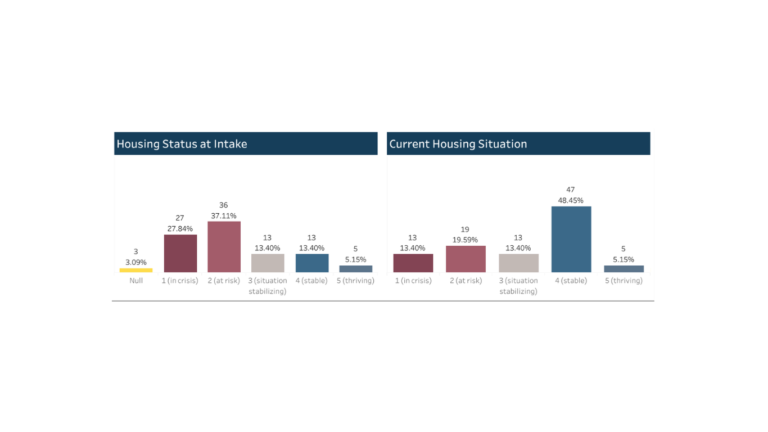
In the face of rising economic challenges, the need for compassion and action has never been more vital. Economic hardship affects millions of individuals and families worldwide, often leaving them in precarious situations where basic necessities become luxuries. Supporting initiatives aimed at alleviating this hardship is not just an act of kindness; it is a moral imperative that strengthens our communities.
Understanding Economic Hardship
Economic hardship can manifest in various forms, including unemployment, underemployment, and insufficient wages. These challenges disproportionately affect vulnerable populations, including single parents, the elderly, and individuals with disabilities. When people face these hardships, they often experience accompanying issues such as stress, anxiety, and social isolation.
The Role of Compassion in Economic Relief
Compassion drives the desire to help others. It reminds us that we are all part of a larger community and that our well-being is interconnected. Acts of compassion can take many forms, from volunteering time at local shelters to donating money to charitable organizations focused on providing relief services.
Ways to Support Economic Hardship Relief
- Donate: Financial contributions to local charities and non-profit organizations can provide essential resources and services to those in need.
- Volunteer: Donating your time to food banks, shelters, or job training programs can directly impact individuals facing economic hardship.
- Educate: Raise awareness about the issues related to economic hardship in your community, fostering a culture of understanding and support.
- Advocate: Support policies and initiatives aimed at addressing economic inequality and providing a safety net for those in need.
The Transformative Impact of Collective Action
When individuals and communities come together to support those in economic hardship, the impact can be transformative. By pooling resources and efforts, we can create programs that not only provide immediate relief but also work towards long-term solutions, such as job training and education. This collective action strengthens community ties and fosters a spirit of resilience and mutual support.
Conclusion
Turning compassion into action is a powerful catalyst for change. By actively supporting economic hardship relief, we can uplift those around us and build a more equitable society. Compassion should not remain an abstract concept; it must be accompanied by actionable efforts to create a world where everyone has the opportunity to thrive. Let us stand together in solidarity, turning our compassion into a force for good.