In an increasingly complex financial landscape, stability has become an elusive concept for many individuals and families. Traditional financial tools often fall short, particularly for those facing economic hardships. Fortunately, community programs are emerging as vital resources, creating new pathways to financial stability and redefining what financial health means.
The Role of Community Programs
Community programs are localized efforts that harness the power of collective support to address specific socio-economic challenges. These programs offer a range of services, from financial literacy workshops to direct assistance in managing expenses and securing employment. By focusing on community-oriented solutions, these initiatives are not only improving individual financial situations but also fostering a sense of belonging and shared responsibility.
Financial Literacy as a Foundation
One of the core components of many community programs is financial literacy education. Workshops and seminars equip participants with essential skills such as budgeting, saving, debt management, and investment basics. Studies have shown that individuals who participate in financial literacy programs are more likely to feel empowered in their financial decisions and better equipped to navigate economic challenges.
Holistic Support Systems
Beyond education, community programs offer holistic support systems. For example, local nonprofits may provide access to counseling services, job training, and emergency financial assistance. This multidimensional approach addresses not only the financial knowledge gap but also the underlying issues that contribute to financial instability, such as unemployment, mental health, and housing insecurity.
Building Networks and Empowering Change
Community programs also foster networks of support, connecting individuals with one another and with local resources. These connections can lead to job opportunities, mentorship, and a stronger sense of community. Empowered individuals often become advocates for change, working collaboratively to address systemic issues affecting their neighborhoods, thus creating a feedback loop of positive influence and support.
Measuring Impact: Success Stories
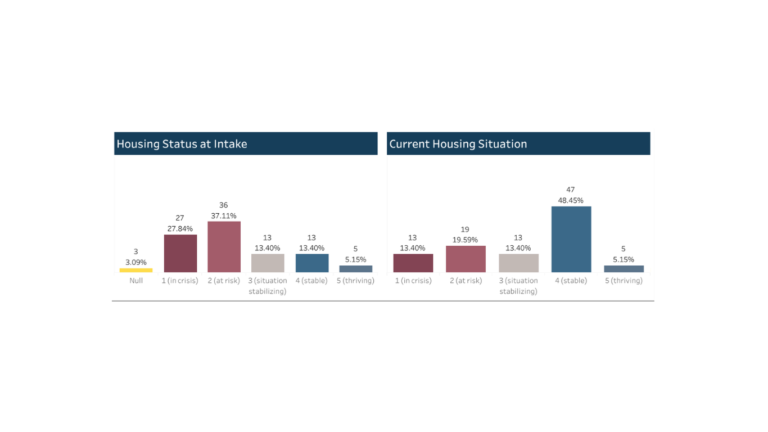
Quantifying the success of community programs can be challenging, but numerous success stories illustrate their impact. For instance, programs that have focused on financial education have reported increased savings rates among participants, improved credit scores, and greater overall financial wellbeing. This data not only highlights the tangible results of these initiatives but also emphasizes the need for continued investment in community-driven solutions.
Conclusion: A New Paradigm of Financial Health
As we look to the future, the importance of community programs in redefining financial health cannot be overstated. By addressing individual needs through education, support, and connection, these initiatives are rewriting the narrative of financial stability. In a world where numbers often dictate our value, community programs remind us that true wealth lies in collaboration, knowledge, and empowerment.