Nonprofits Changing the Narrative for Families in Need
Introduction
The narrative surrounding families in need often highlights struggles and hardships, presenting a one-dimensional viewpoint that can overshadow resilience and strength. Nonprofit organizations are stepping in to reshape this narrative by providing essential resources that empower families to overcome challenges and thrive.
The Role of Nonprofits
Nonprofits play a critical role in addressing the diverse needs of families facing economic hardships. They offer a variety of services, including food assistance, housing support, education resources, and mental health services. By focusing on holistic support, these organizations help families build resilience and create long-term solutions.
Case Studies of Success
Several nonprofits serve as shining examples of how resource empowerment changes lives:
1. Food for Thought
This organization provides healthy meal programs to children from low-income families. By ensuring access to nutritious food, they help elevate the physical health and academic performance of the children they serve.
2. Housing First Initiative
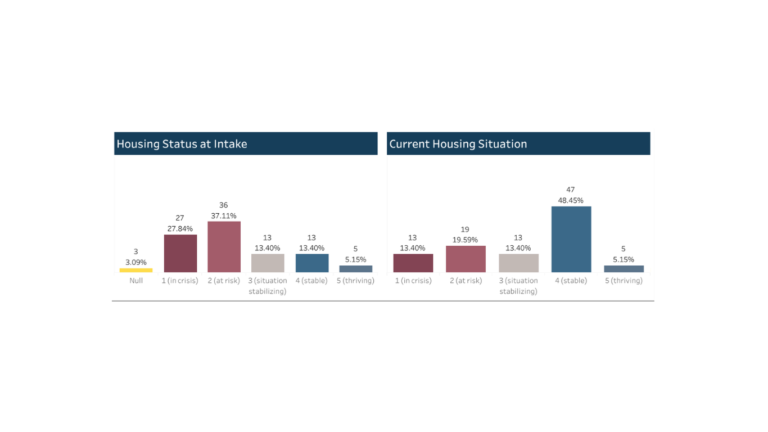
This nonprofit combats homelessness by offering permanent housing solutions paired with supportive services. Families who secure stable housing experience improved stability, mental health, and economic security.
3. Skill-Up Program
This initiative focuses on workforce development, providing training and employment resources to parents. By gaining new skills, families can increase their earning potential and break the cycle of poverty.
Changing Perceptions
Nonprofits are not just providing aid; they are changing how society views families in need. They advocate for dignity, respect, and the recognition of each family’s potential.
By sharing success stories and emphasizing the journey of resilience, these organizations shift the focus from dependency to empowerment. They highlight that families have strengths and capabilities that, when supported, can lead to positive change.
Conclusion
As nonprofits continue to challenge the status quo, they are transforming the landscape for families in need. Through strategic resource allocation and advocacy, they foster resilience, redefine narratives, and create pathways to success. In doing so, they not only assist individual families but also enrich communities as a whole.