<p>In today’s fast-paced world, families are often faced with a myriad of challenges ranging from financial hardship and health issues to educational concerns. In these times, family advocacy emerges as a vital force, facilitating support systems that not only uplift individual families but also foster resilience within the broader community.</p>
<h2>The Importance of Family Advocacy</h2>
<p>Family advocacy is the act of supporting and empowering families to navigate through difficulties, ensuring they have access to necessary resources, services, and opportunities. Advocates serve as liaisons between families and various institutions, helping to bridge gaps in services that may otherwise go unaddressed. By empowering families, advocates help cultivate stronger community ties that enhance social cohesion.</p>
<h2>Building Awareness and Access</h2>
<p>One of the significant roles of family advocacy is raising awareness about available services and resources. Many families may not be aware of the support systems available to them, ranging from mental health services to educational programs. Advocates work tirelessly to make this information accessible, ensuring families can take full advantage of the support offered in their communities.</p>
<h2>Fostering Collaboration Among Stakeholders</h2>
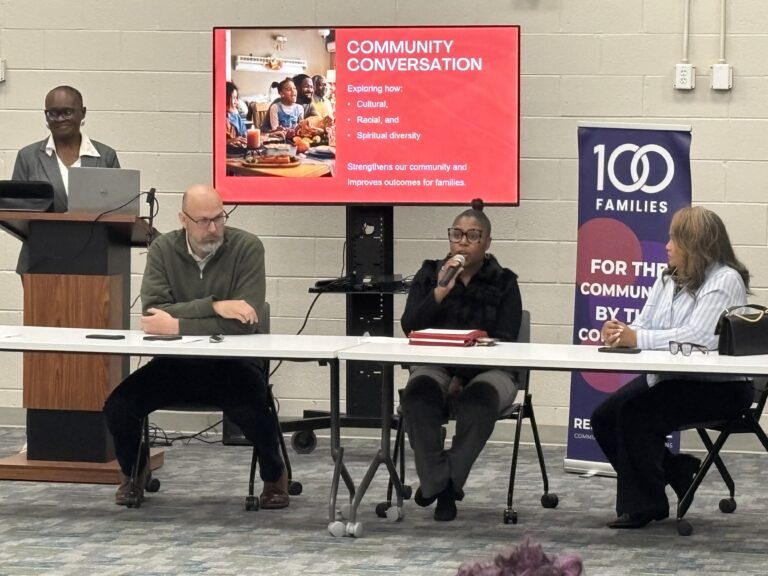
<p>Effective family advocacy involves collaboration among various stakeholders, including non-profit organizations, government agencies, educational institutions, and healthcare providers. By working together, these entities can create a reinforced support network for families that addresses multiple facets of their lives. This collaboration enhances the community’s ability to respond to challenges in a holistic manner.</p>
<h2>Creating Safe Spaces</h2>
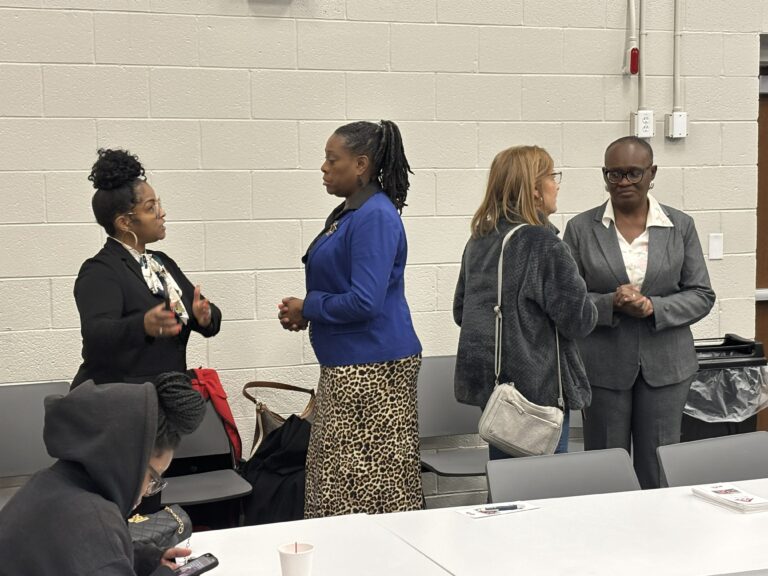
<p>Family advocates are instrumental in creating safe spaces where families can express their concerns, share experiences, and seek advice. These spaces foster open dialogue and promote community engagement, allowing families to connect with one another and build support networks that can weather challenges together.</p>
<h2>Educational Initiatives and Skill Development</h2>
<p>Education is empowerment, and family advocates often lead initiatives aimed at equipping families with essential skills. From workshops on financial literacy to parenting classes, these programs not only provide practical knowledge but also build confidence and foster independence. As families grow stronger, so does the community at large.</p>
<h2>Conclusion</h2>
<p>Family advocacy plays a pivotal role in navigating the complexities of modern life. By ensuring families have the resources they need, fostering collaboration among community stakeholders, and promoting education and safe spaces, advocates help build stronger, more resilient communities. As we face ongoing challenges, investing in family advocacy remains essential for nurturing the fabric of our society.</p>