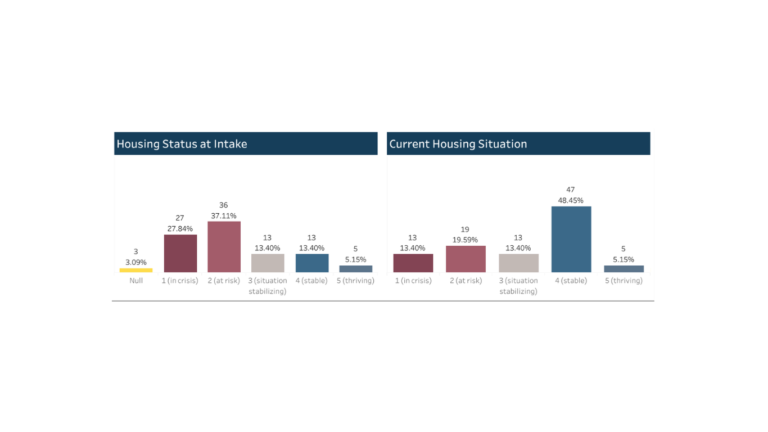
Nonprofit organizations play a crucial role in the fight against poverty, working tirelessly to create programs and initiatives that uplift communities, provide resources, and promote economic independence. As we navigate through the complexities of poverty, understanding how to measure the effectiveness of these interventions is essential for both accountability and improvement.
The Role of Nonprofits in Poverty Reduction
Nonprofits serve various functions in poverty reduction including education, job training, food distribution, and health services. They rely on community support, grants, and donations to fund their initiatives. By addressing the root causes of poverty, nonprofits can make significant strides in improving living conditions for many individuals.
Case Studies of Success
Several nonprofits have demonstrated impactful strategies that yield measurable results. For example:
- Feeding America: This organization tackles hunger across the United States, providing meals to millions. Their impact is quantifiable through metrics such as the number of meals distributed and hunger alleviation rates.
- Goodwill Industries: By providing job training and placement services, Goodwill has helped thousands gain employment, reducing their dependency on government assistance programs.
- Teach for America: This initiative focuses on educational equity, placing bright young leaders in underserved communities to teach and inspire future generations, effectively creating a ripple effect on poverty rates.
Measuring Impact: Metrics and Tools
To assess the success of their programs, nonprofits employ various metrics and tools. Here are some effective methods for measuring impact:
- Data Analysis: Utilizing data from program participants to track progress over time and identify areas for improvement.
- Surveys and Feedback: Gathering input from beneficiaries can provide insight into the effectiveness of programs and areas needing enhancement.
- Longitudinal Studies: Observing participants over an extended period helps in understanding long-term effects of interventions.
The Challenges Nonprofits Face
Despite their success, nonprofits often face significant challenges in measuring impact:
- Lack of Funding: Limited resources can hinder the ability to conduct thorough evaluations and impact analyses.
- Data Limitations: Difficulty in collecting accurate data can affect the credibility of impact assessments.
- Changing Socioeconomic Factors: Economic fluctuations can influence poverty rates independently of nonprofit interventions.
The Future of Nonprofits in Poverty Reduction
As technology becomes more integrated into social services, nonprofits must adapt and innovate. Utilizing data analytics, AI, and machine learning can improve their capacity to measure and increase their impact.
In conclusion, nonprofits remain pivotal in the ongoing battle against poverty. By implementing effective measures to assess their impact, they can continually refine their strategies, ensuring that they not only aim to reduce poverty but also create lasting change in the communities they serve.