Understanding the Poverty Cycle
Poverty is a multifaceted issue, deeply rooted in systemic barriers that limit access to quality education, healthcare, and economic opportunities. Families trapped in poverty often find it difficult to break free from this cycle, where the lack of resources feeds into more significant challenges.
The Role of Policy Reforms
Effective policy reforms are essential for addressing the root causes of poverty. Policymakers can implement changes that create an enabling environment for families to thrive. This includes reforms in education, healthcare, housing, and employment sectors.
Education Reforms
Education is a powerful tool in breaking the cycle of poverty. Policies that increase access to quality education can empower individuals with the skills necessary to secure higher-paying jobs. Investment in early childhood education, scholarships for disadvantaged youth, and vocational training can have lasting impacts on families.
Healthcare Access
Access to affordable healthcare is crucial for low-income families. Policy reforms that expand healthcare coverage and reduce costs enable families to prioritize health and wellbeing, leading to improved productivity and economic stability.
Employment Opportunities
Creating jobs that offer a living wage is essential in lifting families out of poverty. Policies that promote small business development, support workforce training programs, and incentivize companies to hire from low-income communities can provide sustainable employment opportunities.
Investing in Futures: A Holistic Approach
Investing in the future of families requires a holistic approach that integrates various sectors. Collaboration between government, private sectors, and non-profit organizations can lead to comprehensive strategies that address the complex causes of poverty.
Case Studies: Successful Policy Reforms
Numerous regions have seen success in reducing poverty through targeted reforms:
- Universal Basic Income (UBI): Some cities have tested UBI programs that provide direct cash payments to families, empowering them to meet basic needs.
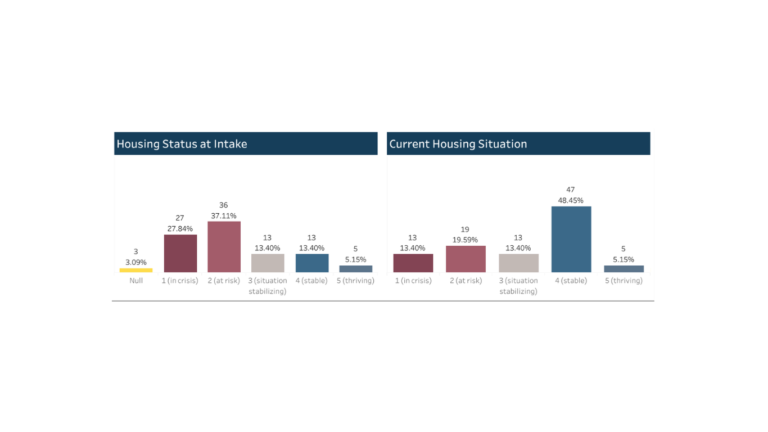
- Affordable Housing Initiatives: Cities that have invested in affordable housing projects report improved stability for families, enabling them to focus on education and employment.
- Comprehensive Social Services: Areas that offer integrated social services—connecting families with education, healthcare, and employment resources—report better outcomes for those in poverty.
Conclusion
Investing in futures through policy reforms is not only a moral imperative but also a smart economic strategy. By empowering families and providing them with the resources they need to succeed, we can create a more equitable society where all individuals have the opportunity to thrive. When families rise out of poverty, entire communities benefit, leading to a stronger economy and a better future for everyone.