The concept of holistic help in community family assistance centers around understanding and addressing the diverse and interconnected needs of families. This integrative approach focuses not solely on immediate crises but also on fostering long-term resilience and well-being.
Understanding Holistic Help
Holistic help considers the whole person—mind, body, and spirit—while also integrating the family’s environment and community context. This multifaceted perspective allows for a more thorough understanding of challenges faced by families, promoting solutions that resonate on various levels.
Core Elements of Holistic Family Assistance
- Health and Well-being: Ensuring access to healthcare services, mental health support, and wellness programs.
- Education and Skill Development: Providing educational resources, tutoring, and vocational training to empower families.
- Economic Stability: Offering financial assistance, job placement services, and budgeting workshops.
- Social Support: Creating community groups and support networks that foster connections among families.
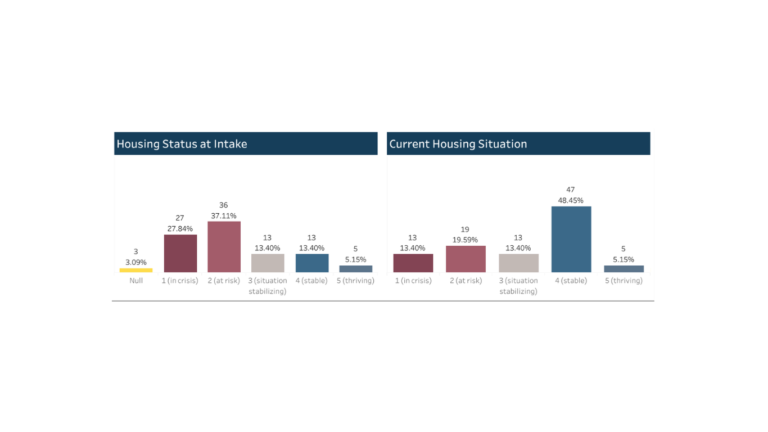
- Housing Security: Facilitating access to safe and affordable housing, along with legal support for tenants.
Programs Implementing Holistic Approaches
Many organizations are adopting holistic approaches in their family assistance programs. Some successful models include:
- Family Resource Centers: Offering a range of services under one roof, such as counseling, referrals, and workshops.
- Community Partnerships: Collaborating with schools, healthcare providers, and local businesses to create comprehensive support networks.
- Integrated Services: Using a case management model where families work with a single coordinator who helps them navigate multiple services.
The Benefits of a Holistic Approach
Adopting a holistic approach to family assistance can yield numerous benefits, including:
- Improved health outcomes and overall well-being.
- Increased family resilience and capacity to manage challenges.
- Stronger community ties and support networks.
- More efficient use of resources, reducing fragmentation in service delivery.
Challenges and Considerations
Despite its many advantages, implementing holistic approaches can be challenging. These might include:
- Siloed Services: Organizations may struggle to collaborate and share resources effectively.
- Funding Limitations: Holistic programs can require substantial investment, and securing sustainable funding can be difficult.
- Measuring Outcomes: Assessing the impact of holistic programs can be complex, necessitating innovative evaluation methods.
Conclusion
Holistic help through comprehensive approaches in community family assistance offers a pathway for fostering healthier families and communities. By addressing the interconnected needs of families, organizations can create lasting change that empowers individuals and strengthens societal ties.