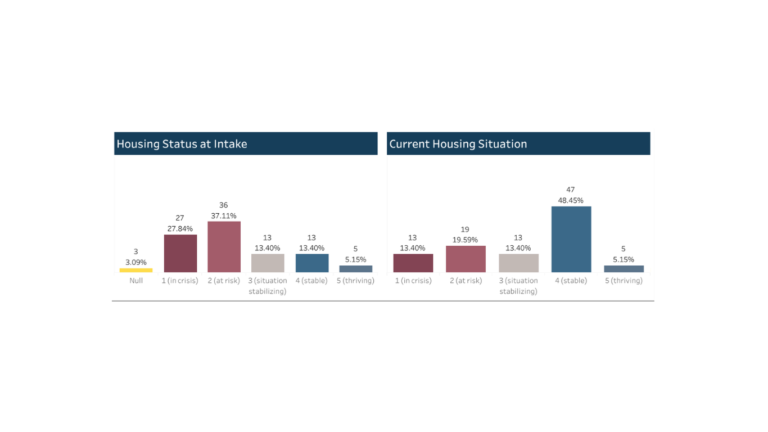
Economic security is crucial for families striving to build a brighter future. Transitioning from mere survival to thriving requires thoughtful strategies that ensure sustainability, growth, and resilience. Below are several long-term strategies aimed at achieving economic stability that benefits the entire family.
1. Budgeting and Financial Literacy
Understanding where your money goes is the first step towards financial stability. Teach family members effective budgeting skills:
- Track income and expenses using tools or apps.
- Prioritize needs over wants to avoid impulsive spending.
- Create savings goals for emergencies and future investments.
2. Emergency Savings Fund
An emergency fund acts as a safety net for unexpected expenses. Aim to save at least three to six months’ worth of living expenses:
- Start small; even a little saved regularly can build up over time.
- Automate savings to make contributions easier.
- Avoid using this fund unless absolutely necessary.
3. Invest in Education
Education is a powerful tool for long-term economic growth:
- Encourage family members to pursue higher education or vocational training.
- Seek out scholarships, grants, and low-cost course options.
- Promote lifelong learning through workshops and online courses.
4. Increase Income Streams
Diversifying income can protect against financial instability:
- Consider side gigs or freelance opportunities to supplement primary income.
- Explore passive income options such as rental properties or investments.
- Regularly assess and upgrade job skills to increase earning potential.
5. Build a Supportive Network
A strong community can bolster economic security:
- Connect with local resources, such as job training and financial workshops.
- Engage with family and friends for emotional and practical support.
- Participate in community events to expand your professional network.
6. Promote Healthy Financial Habits
Instilling healthy financial habits in the family fosters a culture of responsibility:
- Encourage open discussions about finances within the family.
- Set collective financial goals to create shared responsibility.
- Model positive financial behaviors for children to emulate.