Family poverty is a pressing issue that affects millions globally. The challenges faced by impoverished families aren’t merely financial; they also encompass access to education, healthcare, and overall quality of life. Charitable organizations play a crucial role in bridging the gap between struggle and stability, providing essential support and resources to those in need.
The Impact of Poverty on Families
Poverty can manifest in various ways within a family unit, including:
- Limited access to nutritious food, often leading to health issues.
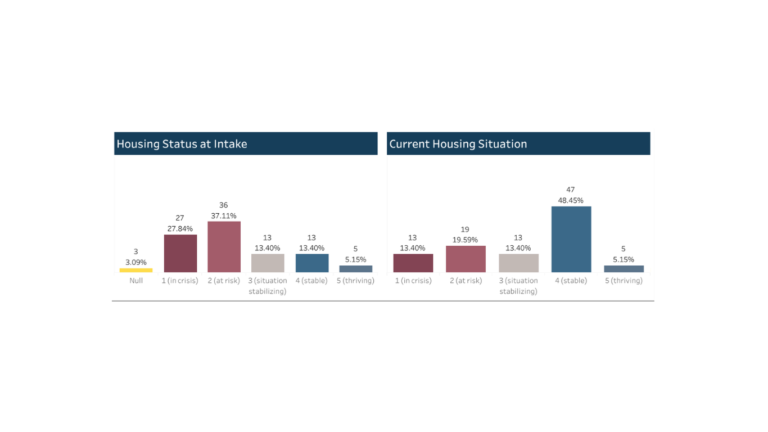
- Inadequate housing, resulting in unsafe living conditions.
- Insufficient access to quality education, which can perpetuate the cycle of poverty.
- Emotional stress and mental health challenges impacting family dynamics.
These factors contribute to an ongoing cycle of poverty that can be hard to escape without external assistance.
Key Organizations Making a Difference
Numerous charitable organizations are dedicated to alleviating family poverty. Here are some notable ones:
- Feeding America: Focused on eradicating hunger, this organization distributes meals through a nationwide network of food banks.
- Habitat for Humanity: This nonprofit helps families build and improve places to call home, offering a path to affordable housing.
- The Salvation Army: Providing a wide range of services, from food assistance to financial counseling, they aim to support families in crisis.
- Operation Warm: This organization ensures children in need have access to new winter coats, combating the chill of poverty.
How to Support These Organizations
If you’re looking to contribute to these noble causes, consider the following ways to get involved:
- Donations: Financial gifts can make a significant impact on the programs these organizations run.
- Volunteering: Your time can be invaluable, whether it’s sorting food, teaching skills, or building homes.
- Advocacy: Raise awareness about poverty and lobby for policies that support families in need.
Conclusion
Charitable organizations are vital in the fight against family poverty. By providing resources, support, and advocacy, they help transform lives and pave the way for stability and hope. Together, individuals and communities can contribute to breaking the cycle of poverty and fostering a future where every family has the opportunity to thrive.