When Honest Dialogue and Unified Service Move Families Forward
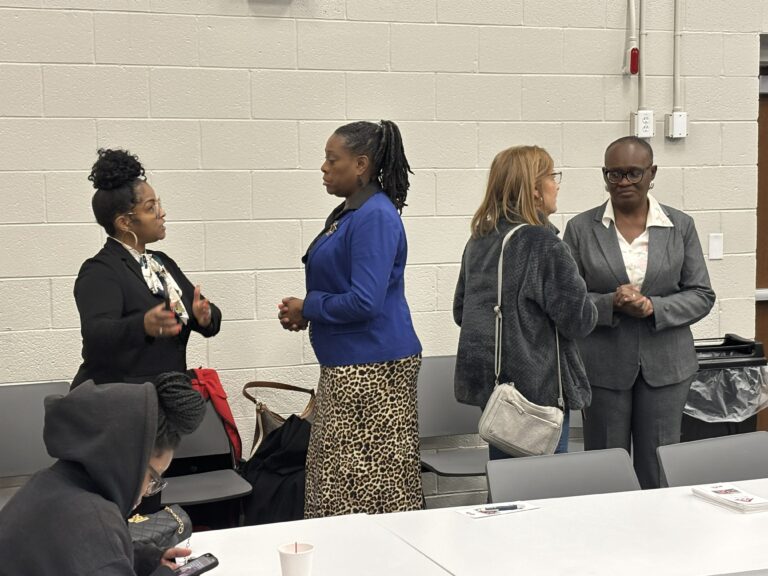
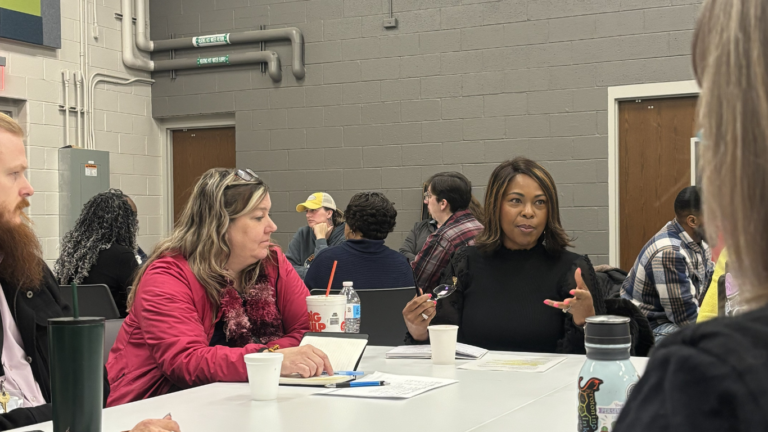
Our February Alliance Meeting brought together approximately 35 leaders and frontline professionals representing housing providers, public health, re-entry services, mental health, financial empowerment, transportation programs, faith communities, and Family Advocates across Ingham County.
The strength of the meeting was not just in attendance — it was in alignment. The diversity in the room reflected a shared understanding that family stability requires coordinated, cross-sector collaboration.
A Story That Grounded the Room
One of the most powerful moments came from Family Advocate Judy Russ, who shared the story of “T,” a young mother who had been living in her car with her three small children.
T’s situation was shaped by trauma, financial instability, and housing barriers. Her turning point did not come from one agency alone, but from coordinated care:
- Emergency shelter
 connection
 - Structured agency support
- Practical help from a local church (meals, laundry, childcare)
- Court navigation assistance
- Consistent relational support from advocates
T is not fully stable yet — but she is no longer alone. Judy reminded us that what changed first was not housing. It was hope. It was relationship. It was unity in service.
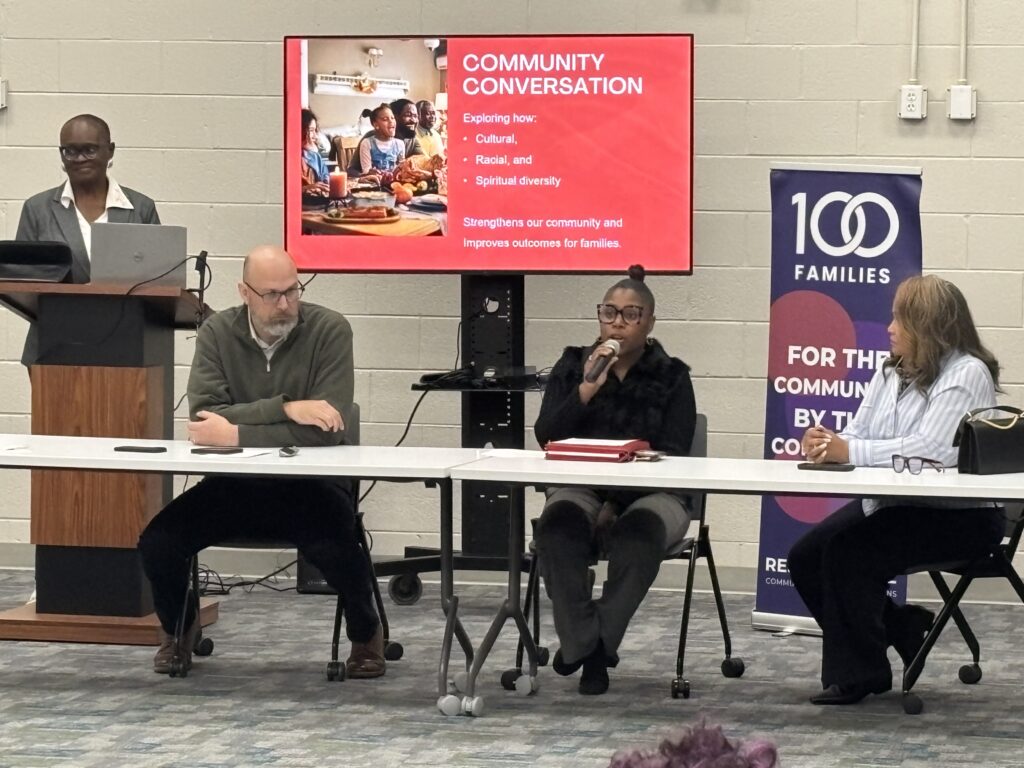
Panel Discussion: Wrestling With Complexity
The panel discussion explored the larger forces affecting families in crisis and highlighted several important themes:
Housing Availability
Even when families are ready, limited housing supply creates delays and frustration.
Administrative Barriers
Documentation requirements and compliance policies, while necessary, can unintentionally slow stabilization. The discussion challenged us to examine where flexibility and clarity may help families move forward more efficiently.
Systems and Personal Responsibility
The conversation reflected two important truths: systemic factors shape opportunity, and individual responsibility plays a role in long-term stability. These perspectives are not opposites — they must work together.
Coalition Requires Courage
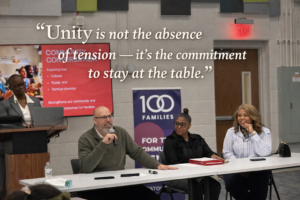
There were moments of tension in the room. Rather than weakening the Alliance, they revealed a deep commitment to the work. Honest dialogue is part of building a mature, resilient coalition.
What We Learned
- Collaboration works when agencies coordinate intentionally.
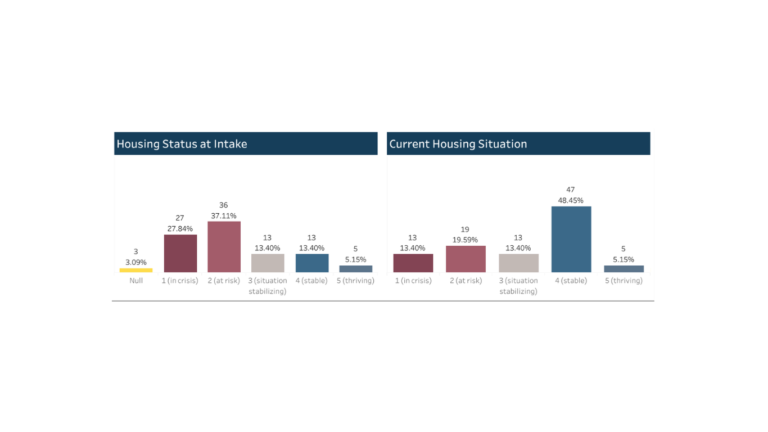
- Housing remains a central barrier to stability.
- Policies deserve thoughtful review when families are getting stuck.
- Unity requires ongoing commitment — not just agreement.
Looking Ahead
Our next Alliance Meeting is March 26:
March Theme: Unity in Service
What happens when churches, agencies, volunteers, and students show up together?
We will continue building a model where service is not isolated, but aligned.
Thank you for your leadership, your honesty, and your willingness to stay at the table. Together, we are strengthening pathways from crisis to stability.
—
Dr. Eleanore Kue
100 Families Initiative | United Against Poverty