Persistent poverty presents a critical challenge in many communities around the globe. Families trapped in cycles of economic hardship often face numerous barriers such as limited access to education, healthcare, and employment opportunities. To combat these challenges, effective programs that nurture resilience are essential. This article explores some of the most impactful approaches that can bolster the strength of families living in poverty.
The Importance of Resilience
Resilience is the ability to adapt to adversity, trauma, or significant stress. For families living in persistent poverty, developing resilience can mean the difference between merely surviving and thriving. Resilient families are better equipped to navigate obstacles, utilize available resources, and work toward long-term goals. Fostering resilience involves both individual and community efforts to create supportive environments.
Key Components of Effective Programs
Several core components define successful programs aimed at building resilience among families in poverty:
- Education and Skill Development: Providing access to quality education and vocational training is fundamental for families striving to break the cycle of poverty.
- Financial Literacy: Teaching families about budgeting, saving, and financial planning empowers them to make informed economic decisions.
- Mental Health Support: Addressing mental health issues through counseling and support systems helps families cope with stress and improve overall well-being.
- Community Engagement: Building networks within the community fosters a sense of belonging and support, encouraging families to seek assistance and share resources.
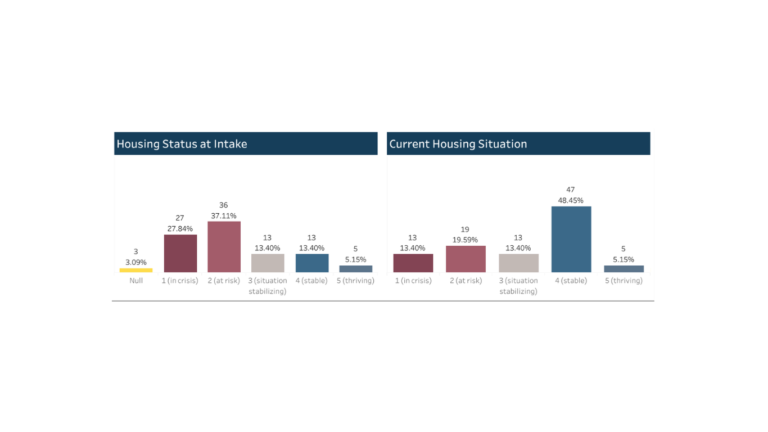
- Access to Resources: Connecting families with essential services such as healthcare, childcare, and housing stability can alleviate some of the burdens they face.
Success Stories
Programs that incorporate these components have shown promising results. For instance, initiatives like the Family Independence Initiative focus on empowering low-income families by providing them with cash grants and community support, which have led to increased income and improved overall stability.
Another example is the Strengthening Families Program, which enhances parental competencies and strengthens family relationships, yielding positive outcomes in child behavior and family dynamics.
The Role of Policy
To effectively combat persistent poverty, it is essential that policymakers prioritize investments in families. Implementing policies that support affordable housing, healthcare access, and education can significantly enhance the effectiveness of on-the-ground programs. Collaboration between government, non-profits, and community organizations is vital to creating robust safety nets.
Conclusion
Building resilience for families in persistent poverty requires a multifaceted approach that addresses both immediate needs and long-term goals. By investing in effective programs, fostering community support, and advocating for policy changes, we can help empower families to overcome the challenges they face and build a brighter future. Together, we can nurture resilience and pave the way for sustainable change.