In today’s fast-paced world, families often find themselves navigating a myriad of challenges—from financial instability and health issues to educational hurdles. Bridging the gap between these families and the resources they need is essential in fostering resilience and promoting well-being.
The Importance of Support Services
Support services play a vital role in the lives of families. They encompass a wide range of programs, including healthcare, housing assistance, mental health support, childcare services, and educational resources. These services not only provide immediate relief but also empower families to build a stable future.
Identifying Needs
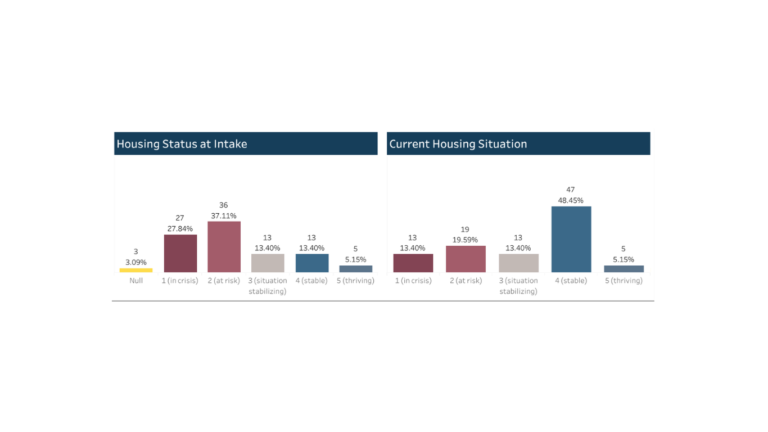
The first step in connecting families with essential services is understanding their unique needs. A comprehensive assessment, often conducted by social workers or community outreach programs, can identify specific areas where assistance is required. This personalized approach ensures that families receive tailored support, optimizing the effectiveness of the services provided.
Creating Partnerships
Building bridges between families and essential services requires collaboration between various stakeholders, including government agencies, non-profit organizations, and community groups. By forming partnerships, these entities can create a comprehensive support network that is easily accessible to families in need.
Utilizing Technology
In our digital age, technology can enhance how families connect with support services. Mobile applications and online platforms can provide vital information about available resources, facilitating easy access to services. Moreover, virtual consultations can bridge geographical barriers, ensuring that families receive assistance regardless of their location.
Community Engagement
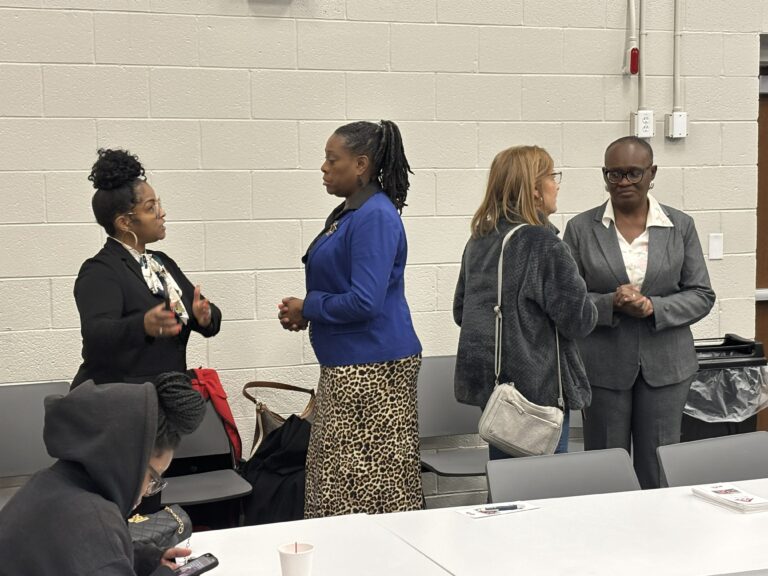
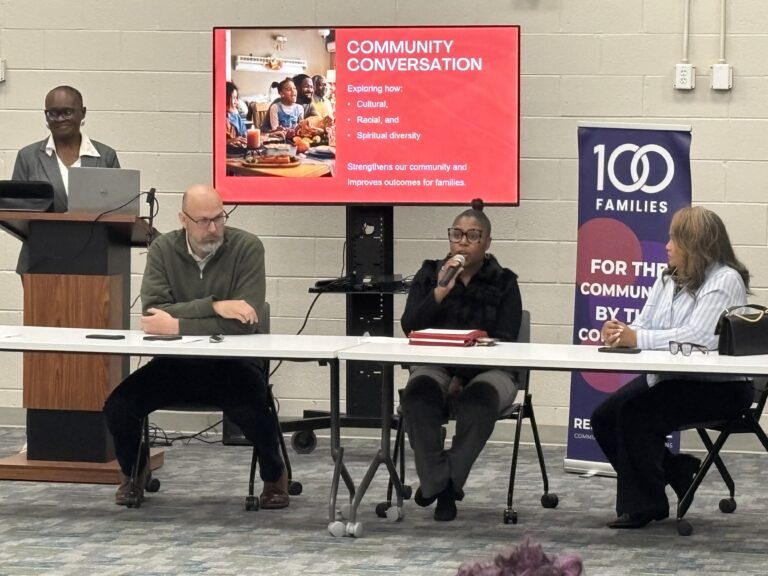
Engaging the community is critical in this process. By raising awareness about available services and encouraging community members to participate in support initiatives, families feel more connected and empowered. Workshops, seminars, and community events can serve as a platform for sharing information and building relationships.
Conclusion
Building bridges to connect families with essential support services is not just a responsibility; it is a collective effort that requires collaboration, understanding, and innovation. By addressing the unique needs of families and creating an integrated support system, we can help cultivate a thriving community where every family has the opportunity to succeed.