Introduction
Poverty remains one of the most significant challenges facing communities worldwide. While governments play a critical role in implementing policies to combat poverty, nonprofits have increasingly become essential partners in this battle. This article explores how nonprofit organizations are making strides to alleviate poverty at the local level.
The Impact of Nonprofits
Nonprofits operate in a variety of fields, including education, healthcare, and housing. Their diverse approaches often address the root causes of poverty and provide immediate relief to those in need.
1. Education and Skill Development
Nonprofits such as Goodwill Industries and Teach for America focus on education and skill development. By offering training programs and mentorship, they help individuals acquire the skills necessary for gainful employment. This not only reduces poverty but also empowers individuals to achieve economic independence.
2. Healthcare Access
Organizations like Doctors Without Borders and local food banks provide essential services to vulnerable populations. Access to healthcare can significantly improve the quality of life for individuals living in poverty, reducing medical expenses and preventing health-related financial crises.
3. Housing Support
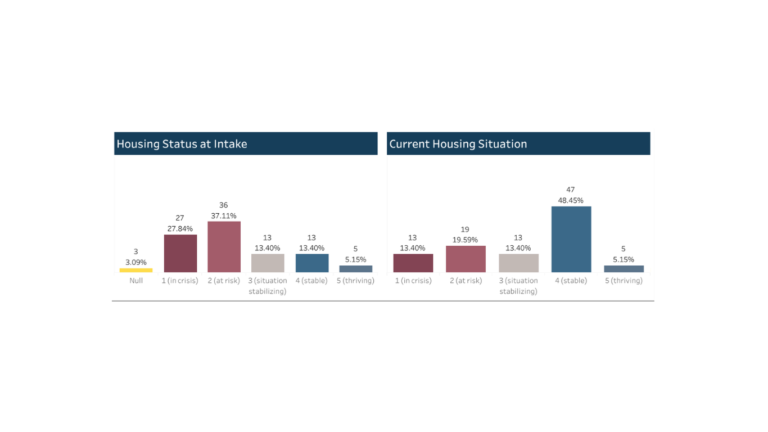
Housing nonprofits, such as Habitat for Humanity, address homelessness by providing affordable housing options. Safe and stable housing is critical for individuals and families to thrive, enabling them to focus on employment and education.
Community Engagement
Nonprofits also play a vital role in fostering community engagement. By bringing people together to address local issues, these organizations create a sense of belonging and collective responsibility. Initiatives like community clean-up days or food drives not only help those in need but also strengthen community ties.
Challenges Faced by Nonprofits
Despite their significant contributions, nonprofits face various challenges, including funding constraints and regulatory hurdles. Many nonprofits rely on donations and grants, which can fluctuate based on economic conditions. Furthermore, navigating the bureaucratic landscape can pose difficulties in implementing effective programs.
Conclusion
Nonprofits are invaluable allies in the fight against poverty. Through education, healthcare, housing, and community engagement, they play a crucial role in alleviating poverty and empowering communities. As we look forward, it is essential to support and invest in these organizations to further their missions and create lasting change.