Listening, Learning, and Strengthening Collaboration Across Ingham County
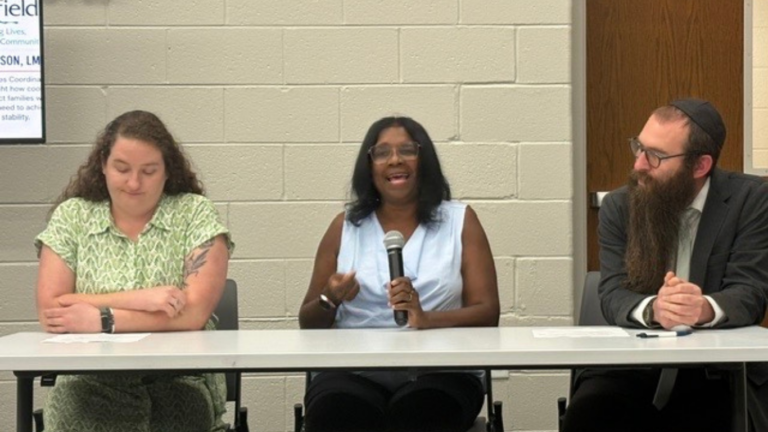
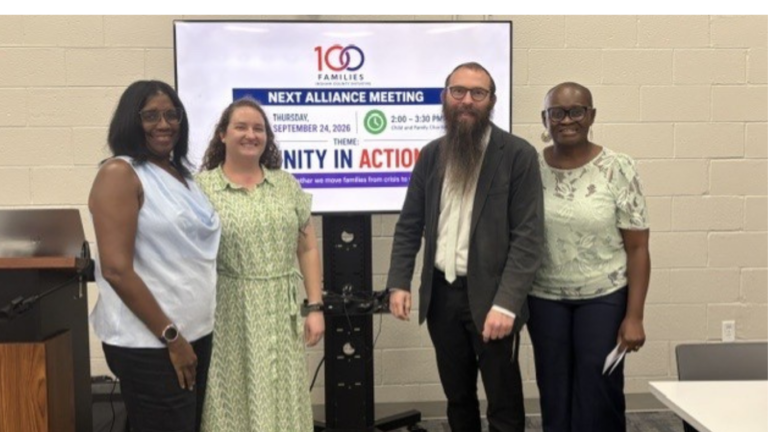
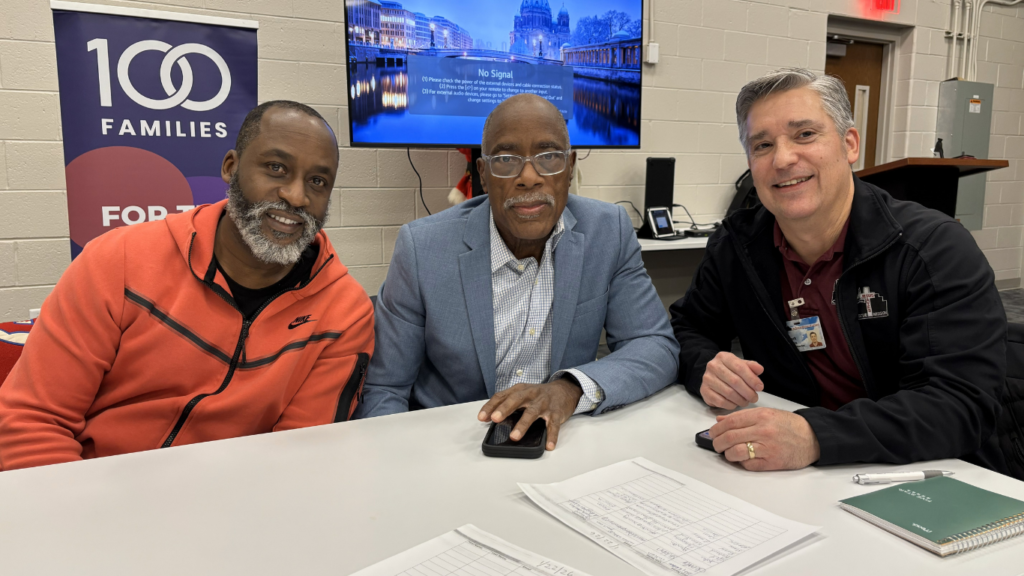
Despite winter weather, partners from across Ingham County gathered for the first 100 Families Community Alliance Meeting of the year—united by a shared mission: helping families move from crisis to stability through collaboration, relationship, and coordinated care.
This gathering was not simply about updates or data. It was a space to listen deeply to one another, reflect on what we are seeing in the community, and identify how we can serve families more effectively—together.
Why This Work Matters
Dr. Eleanore Kue, 100 Families Initiative Coordinator, shared the heart behind the initiative. After years of serving patients at His Healing Hands Clinic, it became clear that medical care alone could not address the deeper challenges families face—housing instability, unemployment, food insecurity, and system fragmentation. The 100 Families model was launched to bring agencies together around families, rather than families having to navigate systems alone.
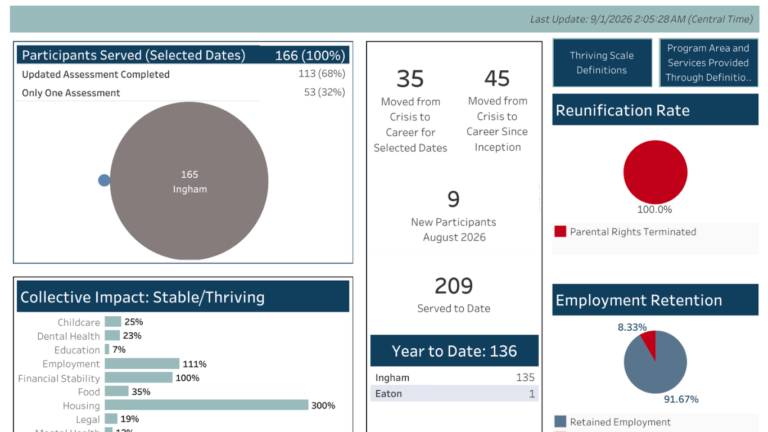
Since launch, the initiative has served 125 families and individuals, with 33 moving from crisis to stability. Housing remains the most urgent need, accounting for the majority of referrals.
What We Heard at the Tables
The heart of the meeting centered on facilitated table discussions, where partners shared real-time challenges and insights from the field.
- Housing and Transportation Barriers
Across all tables, housing emerged as the most pressing issue. Participants described limited affordable units, landlord restrictions, and the difficulty families face when past evictions or justice involvement create barriers. Transportation was closely linked—especially for parents with young children and workers trying to reach jobs after recent changes to local transit routes. - System Complexity and Access to Care
Many families are able to enter systems but struggle to complete them. Long wait times, complex requirements, technology barriers, and missing vital documents often stall progress. Seniors and individuals with limited digital access were identified as particularly vulnerable. - Where Families Fall Through the Cracks
Staff burnout, high caseloads, fragmented communication, and incomplete handoffs between agencies were named as contributors to families disengaging. Partners emphasized that trust, follow-through, and consistent relationships are essential to helping families remain engaged.
Who’s Missing at the Table?
Participants noted the absence of seniors, youth, families in pre- and post-crisis stages, and funders. There was strong agreement that decision-makers and funders need to hear directly from families and frontline workers to truly understand the impact of system gaps.
Moving Forward—Together
The discussion closed with a shared call to action:
- Strengthen coordination across agencies
- Share resources and service information more intentionally
- Invite policymakers and funders into the conversation
- Continue building trust so families are never navigating crisis alone
Thank you to every partner who showed up, shared openly, and continues to walk alongside families in our community.
📅 Next Community Alliance Meeting: February 26
📬 Stay connected—updates and invitations will be sent soon.