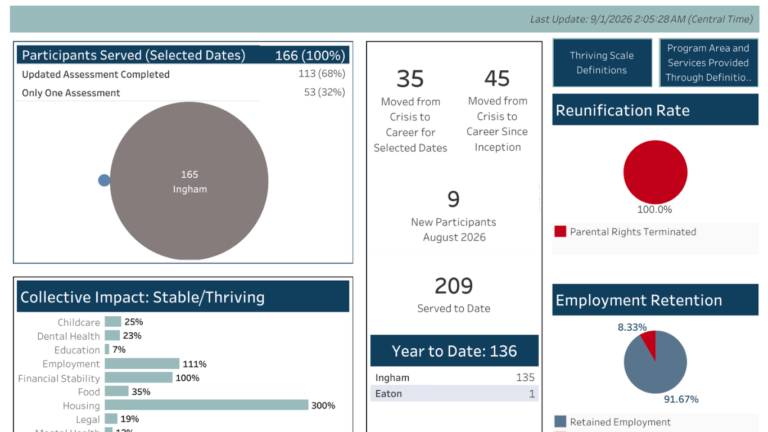
Long-term poverty is a multifaceted issue that affects millions of families worldwide. To combat this persistent problem, various proven approaches have emerged that focus on empowering families and providing them with the tools they need to break free from the cycle of poverty.
Understanding the Root Causes of Long-Term Poverty
Addressing long-term poverty requires a comprehensive understanding of its root causes, which can include:
- Unemployment and underemployment
- Lack of access to quality education
- Poor health and limited healthcare access
- Systemic discrimination and social inequities
- Insufficient financial resources and savings
Proven Approaches to Empower Families
1. Education and Skill Development
Access to quality education is paramount. Programs that focus on improving educational outcomes for children and offering skill development for adults have shown significant promise. Initiatives such as:
- After-school tutoring programs
- Vocational training courses
- Accessibility to higher education
These programs provide individuals with the skills and qualifications needed to secure stable employment.
2. Financial Literacy and Coaching
Understanding financial management is essential for lifting families out of poverty. Programs that offer financial literacy education and personal coaching can help families learn how to budget, save, and invest for the future. Key elements include:
- Workshops on budgeting and savings
- Debt management resources
- Access to safe banking services
3. Healthcare Access
Health is a significant determinant of economic stability. Initiatives that provide access to affordable healthcare can prevent medical expenses from becoming a barrier to employment. This includes:
- Expanded access to preventive care
- Community health programs
- Mental health resources
4. Community Support Networks
Building strong community support networks can offer families essential resources and connections. Local initiatives that promote:
- Networking opportunities
- Support groups
- Resource-sharing programs
Empower families to create a supportive environment that fosters resilience and growth.
5. Policy Advocacy and Social Change
Lastly, advocating for policies that address systemic inequalities is crucial. Engaging with local and national initiatives can push for:
- Minimum wage increases
- Affordable housing legislation
- Comprehensive social welfare programs
These efforts ensure that families have access to the resources they need to thrive.
Conclusion
Alleviating long-term poverty requires a multifaceted approach that prioritizes empowerment, education, and systemic change. By investing in families and communities, we can pave the way for a brighter, more equitable future for all. Through concerted efforts, we can break the cycle of poverty and create a society where every family has the opportunity to succeed.