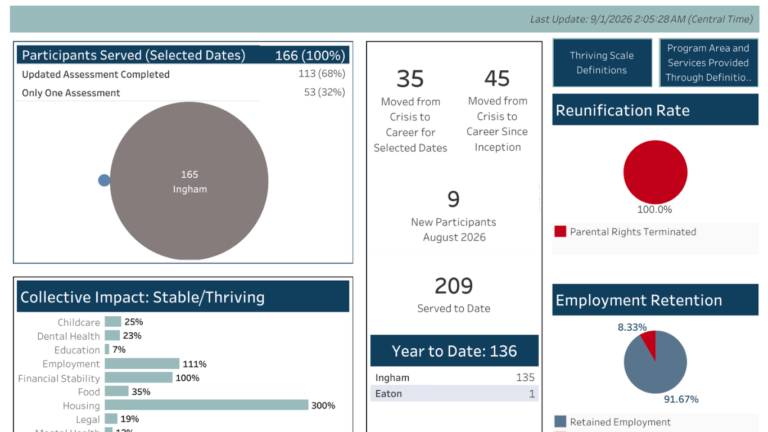
Poverty remains a persistent challenge worldwide, affecting millions of individuals and families. Nonprofits play a crucial role in addressing these issues, often leveraging data to better understand and combat the complexities of poverty. In recent years, the integration of data-driven solutions has transformed how nonprofits operate, allowing them to make more informed decisions and create impactful programs.
The Importance of Data in Addressing Poverty
Data is the backbone of effective poverty alleviation strategies. By gathering and analyzing various data types, nonprofits can:
- Identify Trends: Understanding local poverty trends enables organizations to tailor their interventions to meet specific community needs.
- Measure Impact: Data allows nonprofits to assess the effectiveness of their programs, ensuring that resources are being allocated efficiently.
- Engage Stakeholders: Presenting data-driven insights can cultivate trust and encourage collaboration with donors, government agencies, and community members.
Case Studies of Nonprofits Utilizing Data
Several nonprofits have successfully implemented data-driven strategies to combat poverty:
1. Feeding America
This organization utilizes data analytics to map hunger patterns across the United States. By identifying regions most in need, Feeding America can optimize its food distribution networks and collaborate with local partners to address food insecurity effectively.
2. Habitat for Humanity
Habitat for Humanity leverages data to assess the housing needs of various communities. With detailed data on income levels, housing costs, and family structures, they can target areas that are most in need of affordable housing solutions.
Barriers to Data Utilization
Despite the benefits, many nonprofits face barriers when it comes to implementing data-driven solutions:
- Lack of Resources: Limited funding can hinder a nonprofit’s ability to invest in data collection and analysis tools.
- Data Literacy: Many organizations lack staff with the necessary skills to effectively analyze and interpret data.
- Privacy Concerns: Handling sensitive information poses ethical and legal challenges that nonprofits must navigate carefully.
Conclusion
Nonprofits are pivotal in the fight against poverty, especially when they adopt data-driven solutions. By harnessing the power of data, these organizations can create targeted programs, measure their success, and advocate for policies that will further alleviate poverty. Addressing the barriers to data utilization will be essential for nonprofits to maximize their impact and drive sustainable change in communities worldwide.