How Donations Fuel Emergency Family Assistance Programs
Introduction
In today’s world, families can face unforeseen challenges that threaten their stability and well-being. Whether it’s due to job loss, medical emergencies, or natural disasters, the need for immediate assistance is often critical. Emergency Family Assistance Programs (EFAPs) are designed to provide necessary support and resources to families in crisis. At the heart of these programs lies the power of giving—donations that enable organizations to deliver timely help.
The Role of Donations
Donations play a crucial role in the operation of EFAPs. They help fund various services, including:
- Financial Assistance: Donations provide direct financial support for families facing eviction, utility shut-offs, or medical expenses.
- Food Security: Many EFAPs run food pantries and meal programs to ensure families have access to nutritious food.
- Housing Support: Contributions can help organizations provide temporary housing or subsidized rent for families in need.
- Case Management: Funds are also allocated for trained professionals to assist families in navigating available resources and achieving long-term stability.
Impact on Families
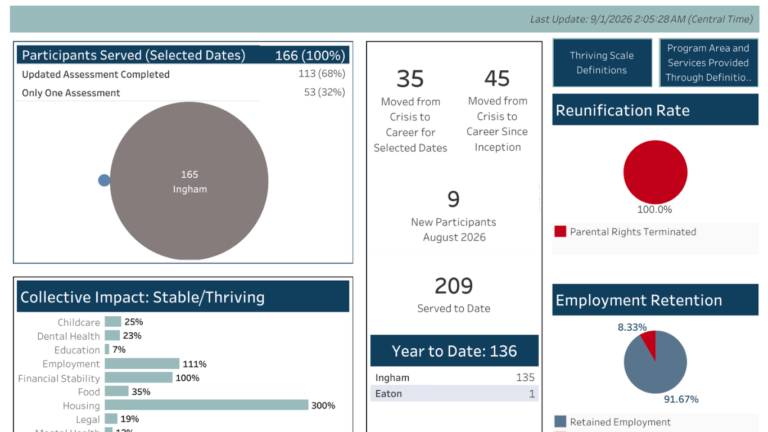
The impact of donations extends far beyond immediate relief. By empowering families to overcome their challenges, EFAPs foster resilience and self-sufficiency. Here are a few ways donations can translate into tangible benefits:
- Preventing Homelessness: Emergency funds can help families remain in their homes during challenging times.
- Improving Health: Access to food and healthcare can lead to improved physical and mental health for families.
- Enhancing Education: Support provided can ensure children stay in school and receive the education they deserve, even in times of crisis.
Community Engagement
Donations foster a spirit of community engagement and solidarity. When individuals and businesses contribute to EFAPs, they not only provide essential resources but also inspire others to join the cause. Community events, fundraisers, and awareness campaigns are all amplified through collective efforts, creating a ripple effect of kindness and support.
Conclusion
Donations are the lifeblood of Emergency Family Assistance Programs. They provide families in crisis with the support they need to regain their footing and thrive. By understanding the power of giving, we can all play a role in strengthening our communities and ensuring that no family has to face their challenges alone. Every contribution counts, no matter how small, and collectively, we can make a significant impact in the lives of those in need.