The Power of Community
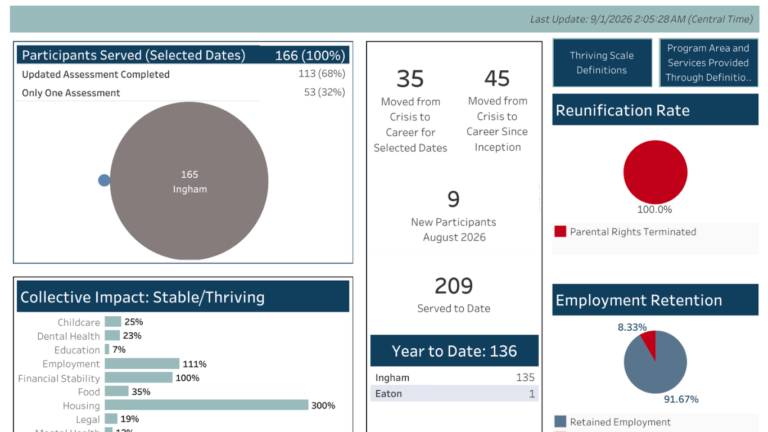
Families often face various challenges that can feel overwhelming, from financial struggles to mental health issues. In these difficult times, the strength of community support can make all the difference. Collaborative approaches to family support harness the collective power of individuals, organizations, and local resources to create an environment where families can thrive.
Understanding the Collaborative Model
The collaborative model emphasizes partnerships among families, non-profits, government agencies, and local businesses. Each stakeholder plays a vital role, contributing unique resources, skills, and networks. This synergy allows communities to address the diverse needs of families more effectively than any single entity could achieve alone.
1. Building Networks
One of the critical components of a successful collaborative approach is building networks. By fostering connections among community members and organizations, barriers can be broken down, and resources can be shared. Workshops, community events, and online platforms can facilitate these connections, creating a supportive ecosystem for families.
2. Resource Sharing
Different organizations bring different resources to the table. Collaboratively pooling these resources enables communities to provide a broader range of support services, such as counseling, financial aid, childcare, and educational workshops. This comprehensive resource-sharing increases the likelihood of families receiving the help they need to overcome challenges.
3. Empowering Families
Empowerment is a essential element of collaborative approaches. By involving families in the decision-making processes and allowing them to express their needs, communities can create tailored support systems. This empowerment fosters resilience, teaching families how to navigate challenges and utilize available resources effectively.
Case Studies: Successful Collaborations
Numerous communities have successfully implemented collaborative approaches to family support:
- The Family Resource Center: Located in a small town, this initiative brings together local agencies to provide a one-stop-shop for family services, including health care, counseling, and job training.
- Neighborhood Support Networks: In urban settings, volunteer-driven networks have emerged that connect families with resources and social activities, reducing isolation and enhancing community ties.
Conclusion: The Path Forward
The collaborative approach to family support exemplifies the adage that “there is strength in numbers.” By leveraging community resources, fostering connections, and empowering families, we can create supportive environments that help families flourish. As communities continue to face evolving challenges, collaborative models will be essential for ensuring that every family has the opportunity to thrive.