Poverty is a complex and multifaceted issue that often gets oversimplified in public discourse. Many narratives frame poverty solely in terms of personal failure or lack of effort. However, local organizations across the globe are working tirelessly to reshape these narratives and highlight the broader systemic issues that contribute to poverty. They are fostering community resilience, promoting social equity, and advocating for systemic change.
Community-Centric Approaches
One of the distinguishing features of these local organizations is their community-centric approach. They work closely with residents to identify their unique challenges and strengths, allowing for tailored solutions that resonate with those affected. For example, grassroots initiatives like community gardens not only provide food security but also foster a sense of belonging and empower individuals to take charge of their circumstances.
Education and Empowerment
Education plays a pivotal role in changing the narrative surrounding poverty. Local organizations are increasingly focused on providing educational resources—be it through after-school programs, vocational training, or adult education courses. By equipping individuals with skills and knowledge, they help break the cycle of poverty, enabling individuals to pursue better job opportunities and improve their livelihoods.
Success Stories
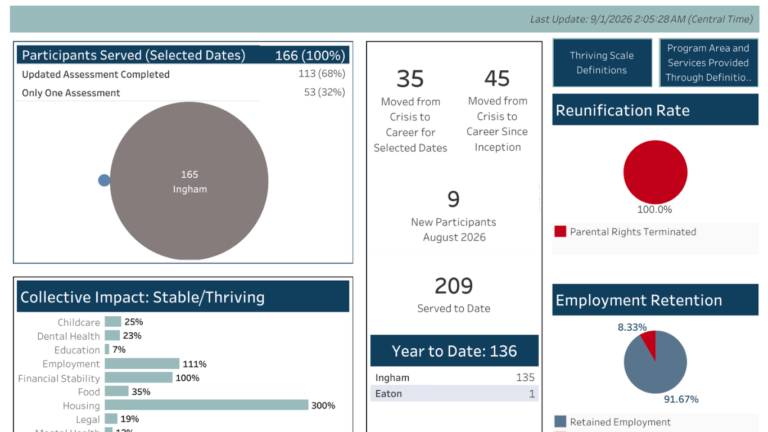
Numerous success stories illustrate the impact of these organizations. Programs like “Project RISE” in Pittsburgh have transformed under-resourced neighborhoods by offering extensive support services. Participants have reported increased self-efficacy and improved economic conditions, showcasing that with the right resources and support, individuals can rise above challenging circumstances.
Collaborative Efforts
Collaboration is key to these organizations’ successes. By partnering with local businesses, government agencies, and other nonprofits, they create a network of support that amplifies their efforts. For instance, initiatives that offer job placement services often collaborate with local employers to ensure training is aligned with the skills needed in the workforce, making it a win-win situation for everyone involved.
A New Narrative
Perhaps the most critical contribution of these organizations is the new narrative they are building around poverty. By highlighting stories of resilience, strength, and community, they shift the focus away from stigma and blame. This change in narrative is essential for fostering a culture of empathy, understanding, and collective responsibility.
Conclusion
Local organizations are not just alleviating the symptoms of poverty; they are challenging its roots. By reshaping the conversation around poverty through education, community engagement, and collaboration, these organizations are igniting hope and possibility. The path forward is not without challenges, but together, through innovative solutions and relentless determination, communities can rise above and change the narrative for future generations.